
Stay Like a Local: Accommodation Types Explained
An exploration of the world’s most authentic and culturally rooted accommodations, discovering how traditional regional stays offer travelers a deeper connection to local heritage, architecture, cuisine, and way of life beyond the standard hotel experience.
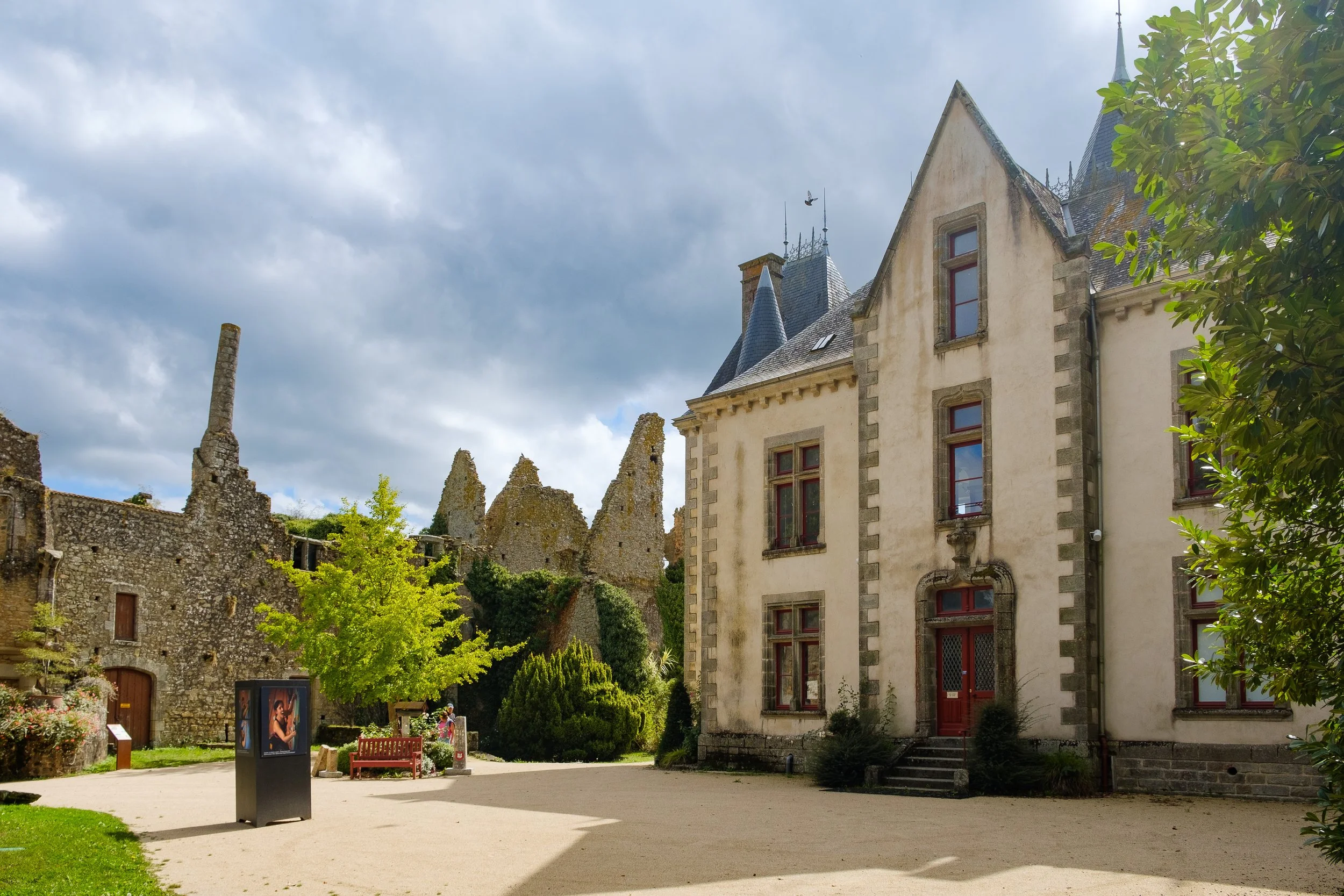
Chris Mann, 9th century Chateau de Bressuire, Bressuire, Deux-Sèvres, Nouvelle-Aquitaine, France, stock.adobe.com
AGROTOURISM: Why Italy Leads the Way and Similar Stays Can Be Found Across Spain, Portugal, and Latin America
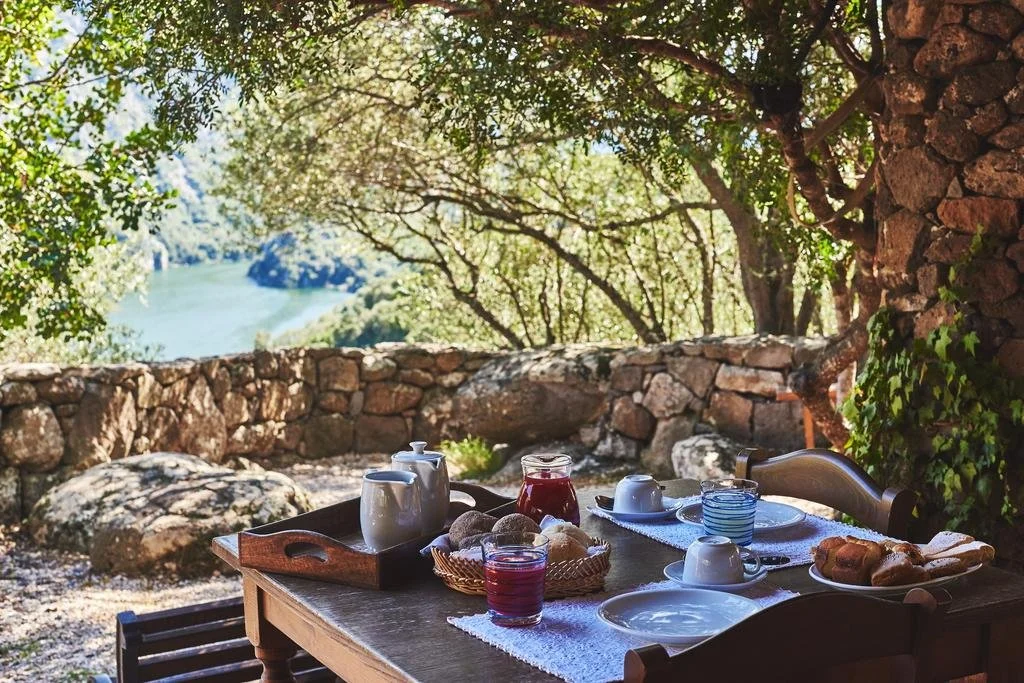
Image credit: Agriturismo Canales. Dorgali (Sardinia)
Starting with one of the most common and only recently recognized types of accommodation are agrotourisms. Found commonly in Italy, as well as across Spain, Portugal, and parts of South America, the term generally refers to a farm stay experience.
In countries like Italy, however, where it is known as an agriturismo, it carries a far more specific meaning, as properties must comply with strict government regulations in order to legally use this designation. To qualify, an agriturismo must dedicate part of its activity to agriculture, whilst offering guests products cultivated or produced directly on the property throughout their stay. From homemade jams and local cheeses to olive oil, wine, and seasonal produce, these stays create a direct connection between hospitality and the land itself.
This is precisely why we believe some of the best and most genuine hotel breakfasts can be found in an agriturismo in Italy.
This designation can be further broken down into region specific accommodations, each deeply connected to the architecture, traditions, and agricultural of its territory. In Southern Italy for example, travelers will find masserie and bagli.
Masserie can be found in Puglia and are historic fortified countryside estates traditionally linked to farming and olive oil production. Their architecture is unique to the region and some accommodations can even be found inside traditional trulli, the iconic white stone dwellings topped with conical roofs.
In Sicily, visitors will come across bagli, historic rural courtyards and fortified farm residences that once served as the center of agricultural life on the island. Today, many have been beautifully restored into charming accommodations that preserve their authentic Sicilian character.
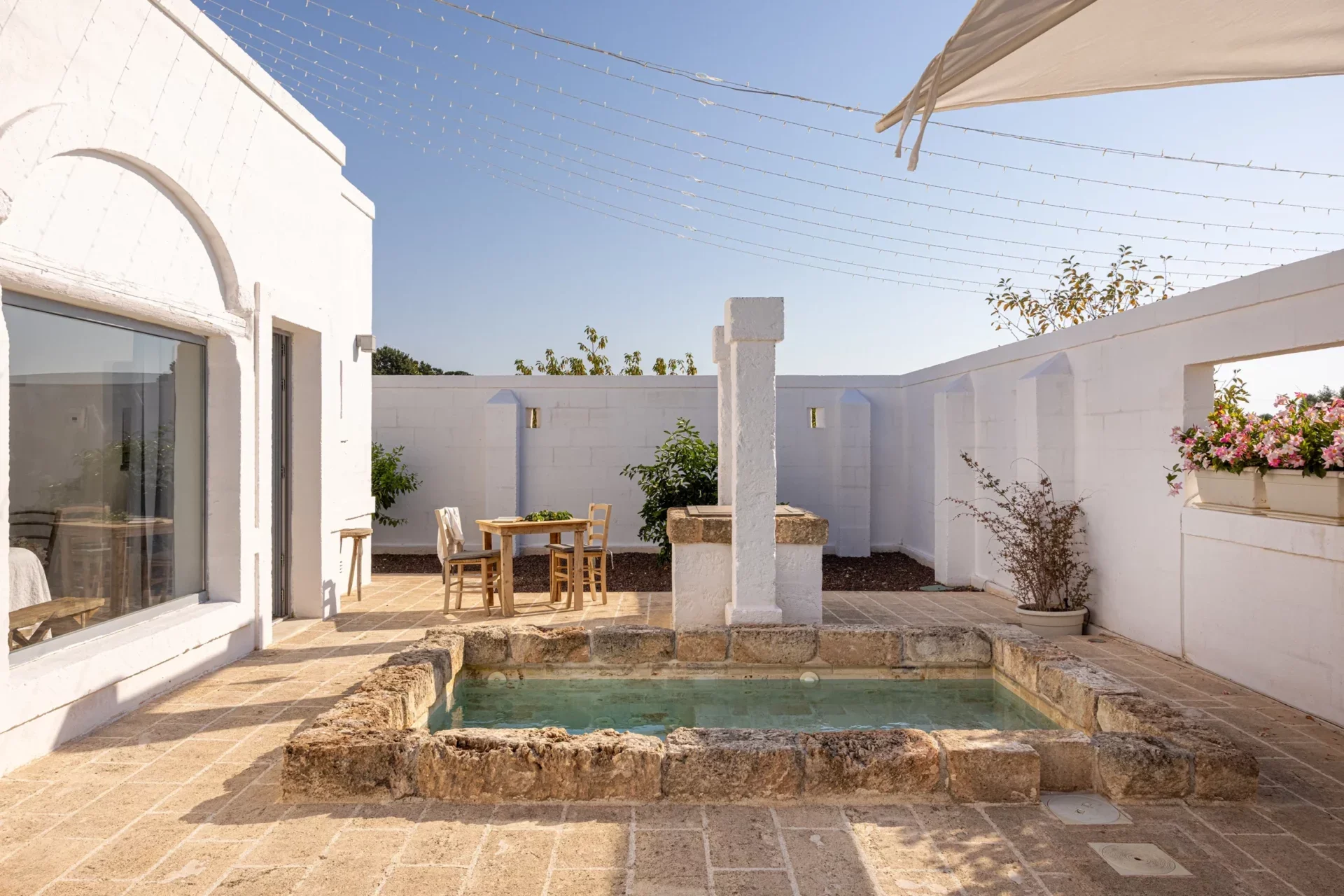
Image credit: Masseria Le Torri, Polignano a Mare
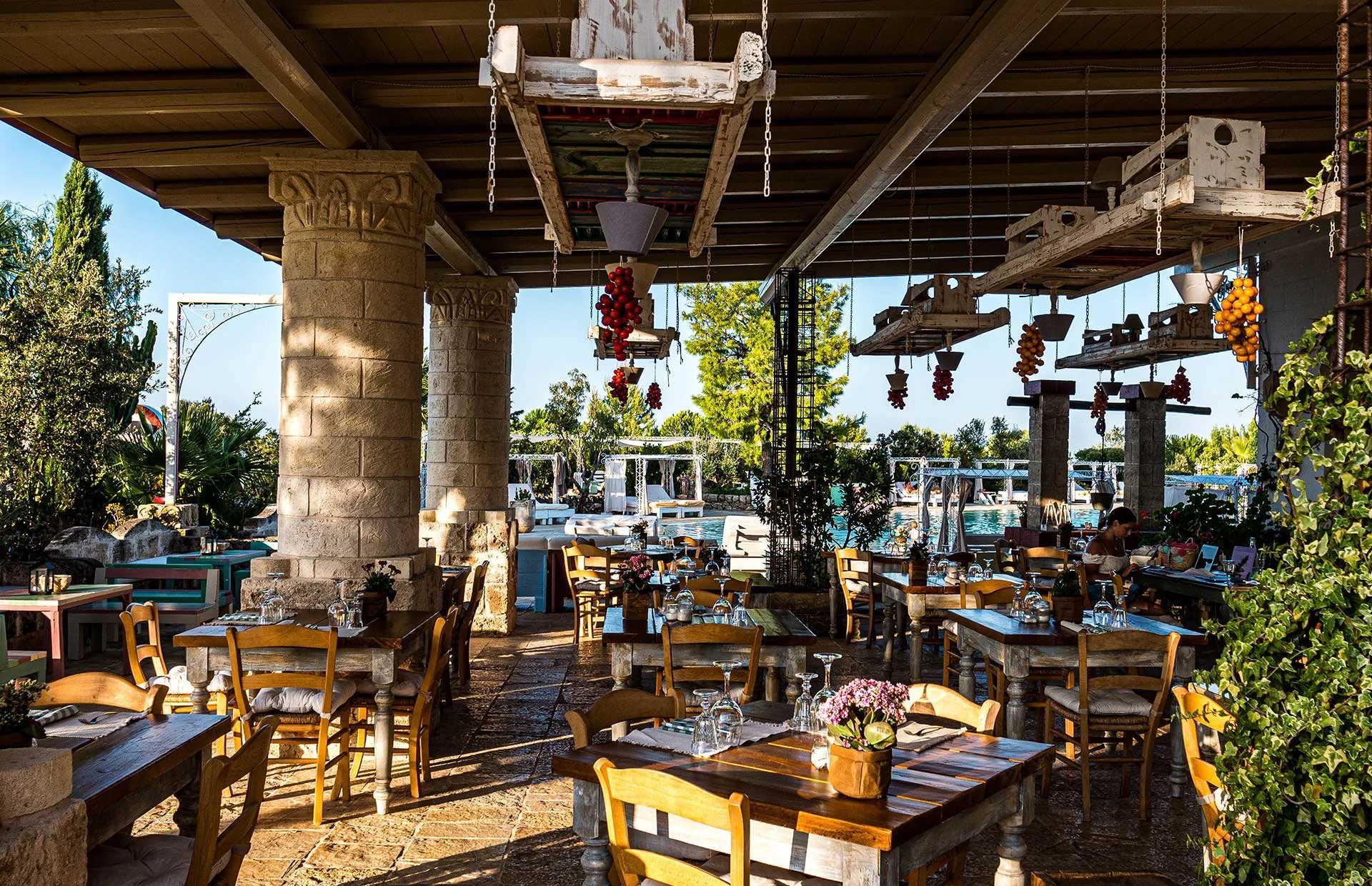
Image credit: Masseria Montenapoleone, Fasano
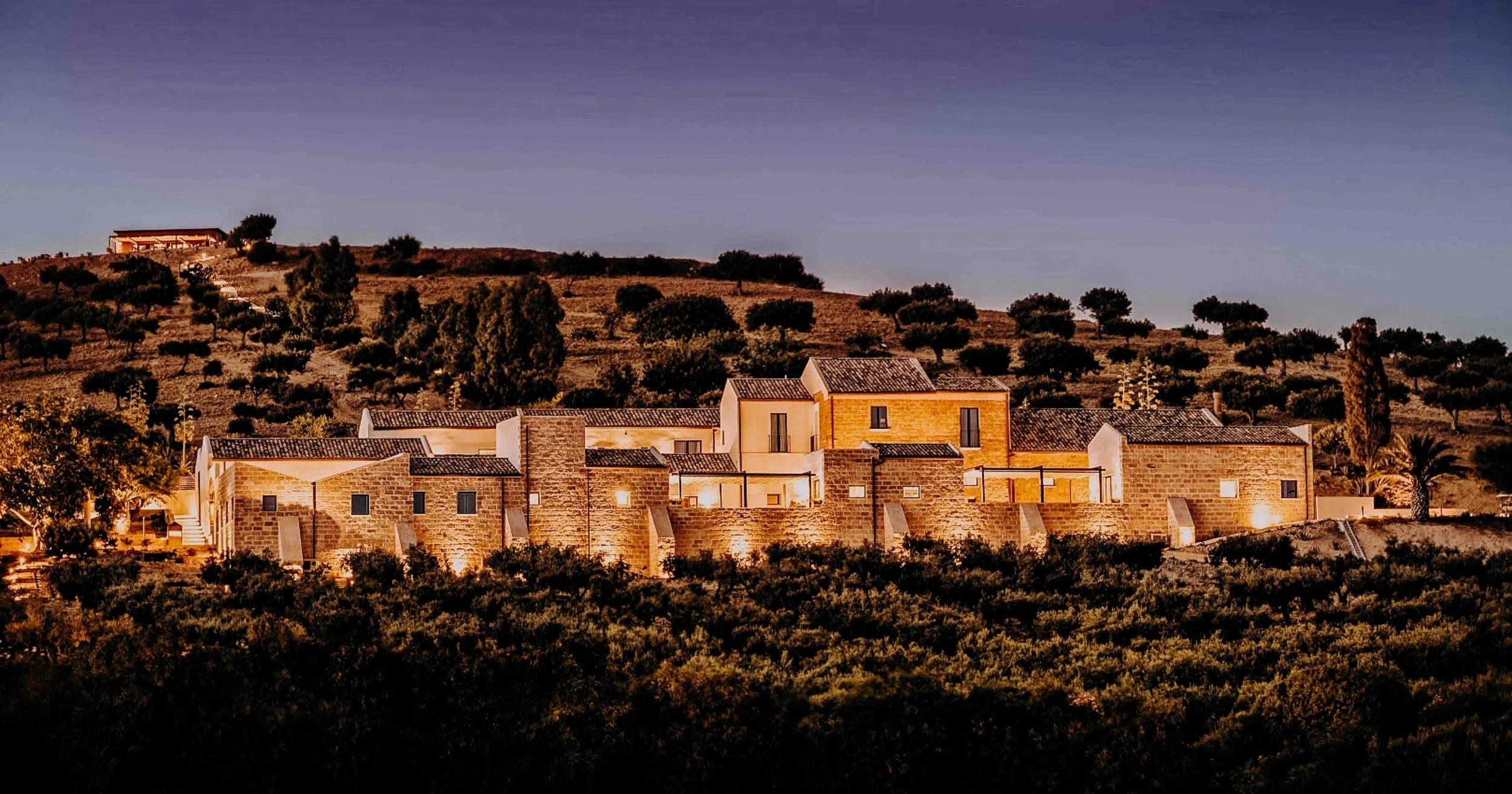
Baglio Sorìa Resort & Wine Experience Image credit: Francesco Caroli
Heading north towards the Alps, travelers will encounter the traditional mass, particularly throughout the valleys of Trentino Alto Adige. Originally, the term referred to a peasant’s farmstead. These historic family run farms have existed for generations and remain deeply connected to mountain agriculture and alpine traditions. Many have now opened their doors to guests, offering an authentic stay surrounded by nature, local cuisine, and the unique culture of the Italian Alps. A major role in preserving and promoting these stays has been played by Gallo Rosso, on their portal travelers can identify genuine alpine farms.
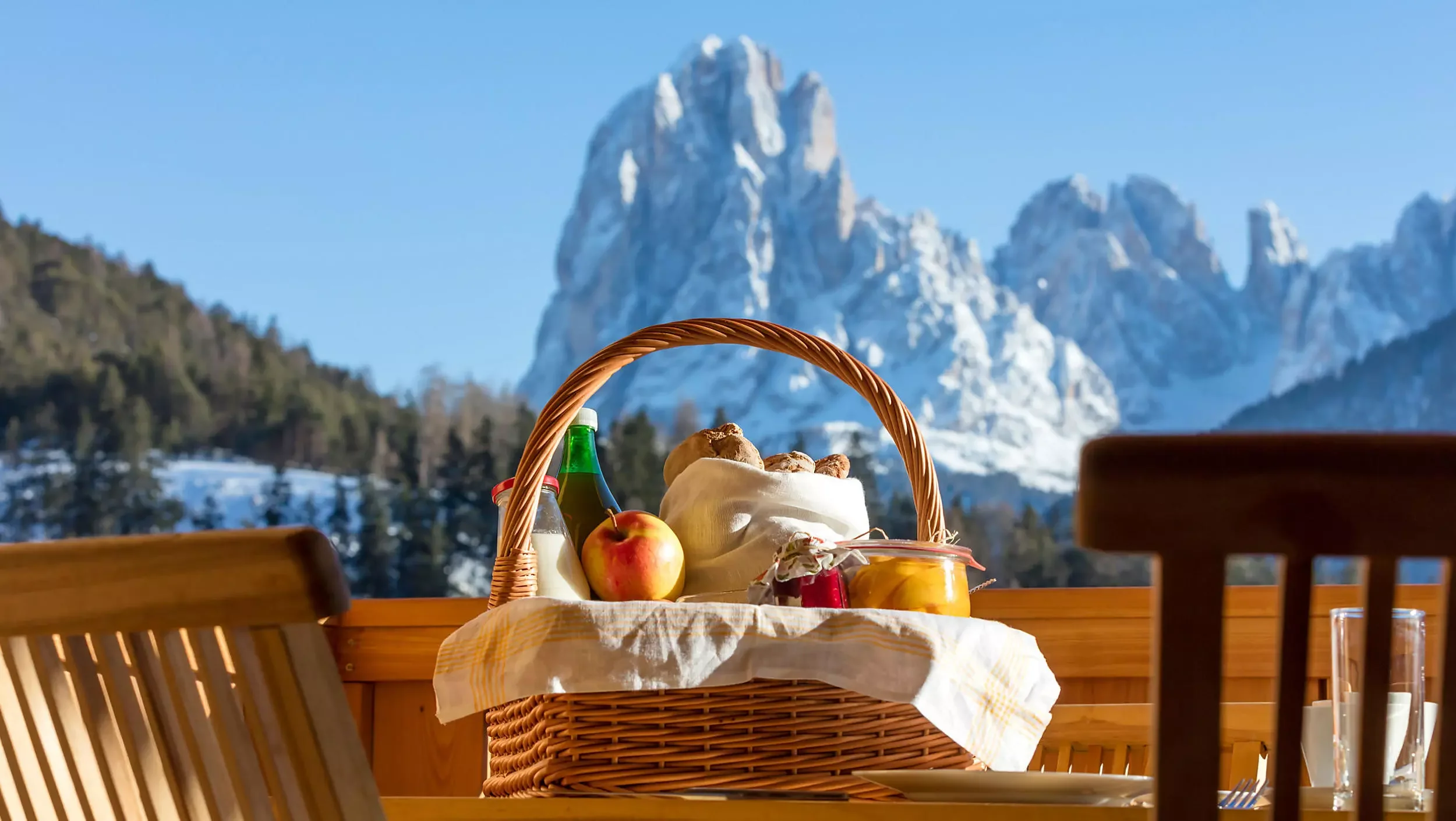
Un cesto pieno di profumi inebrianti Image credits: Gallo Rosso
These should not be confused with the mas or masias found in eastern Spain and south western France. Unlike the alpine masi of northern Italy, these are historic agricultural residences typically built from stone and deeply tied to Mediterranean farming culture. Often surrounded by vineyards, olive groves, or countryside landscapes, many have today been transformed into charming countryside accommodations full of regional character.
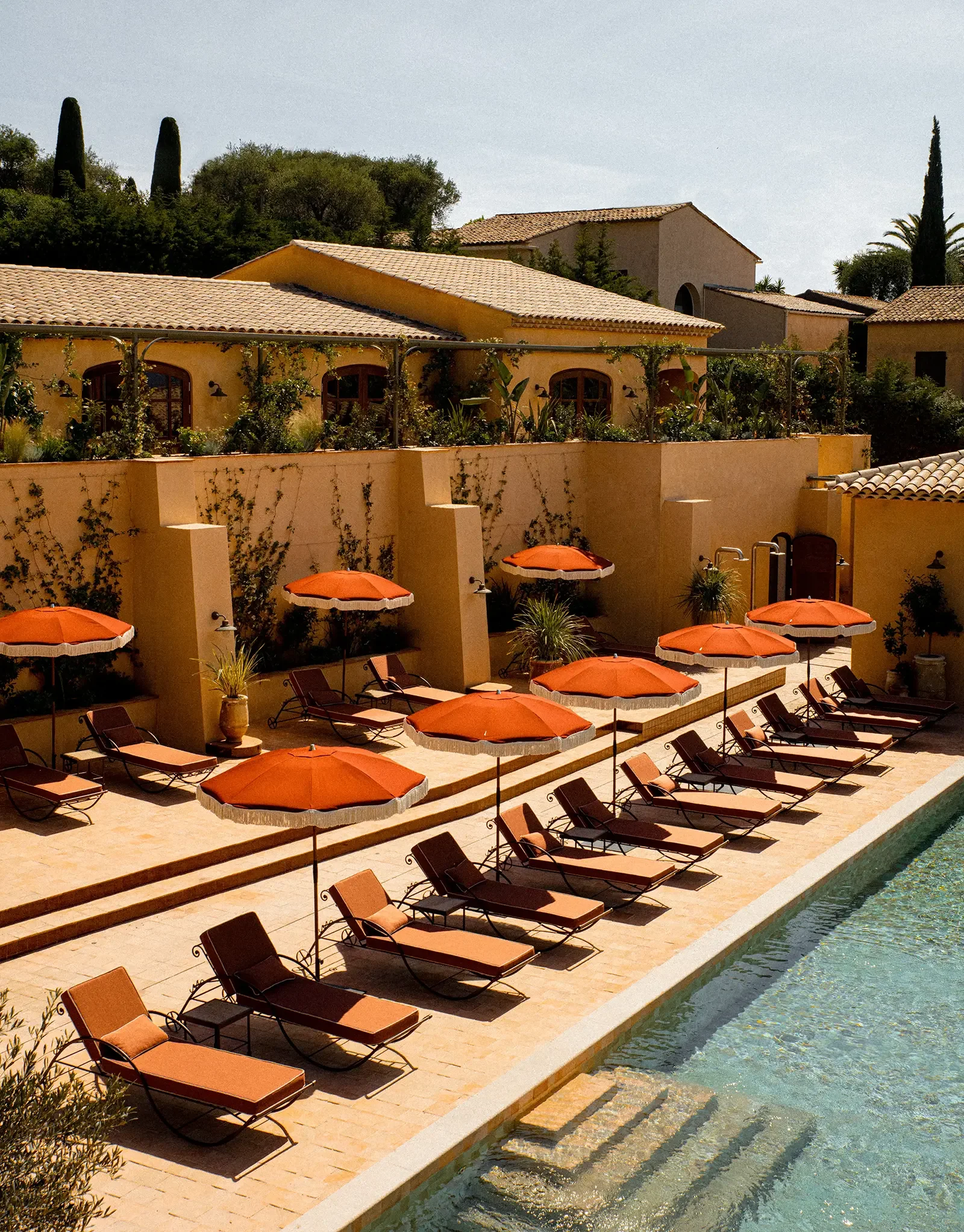
Eentièrement repensé par l’architecte Hugo Toro. Image Credits: Mas Candille
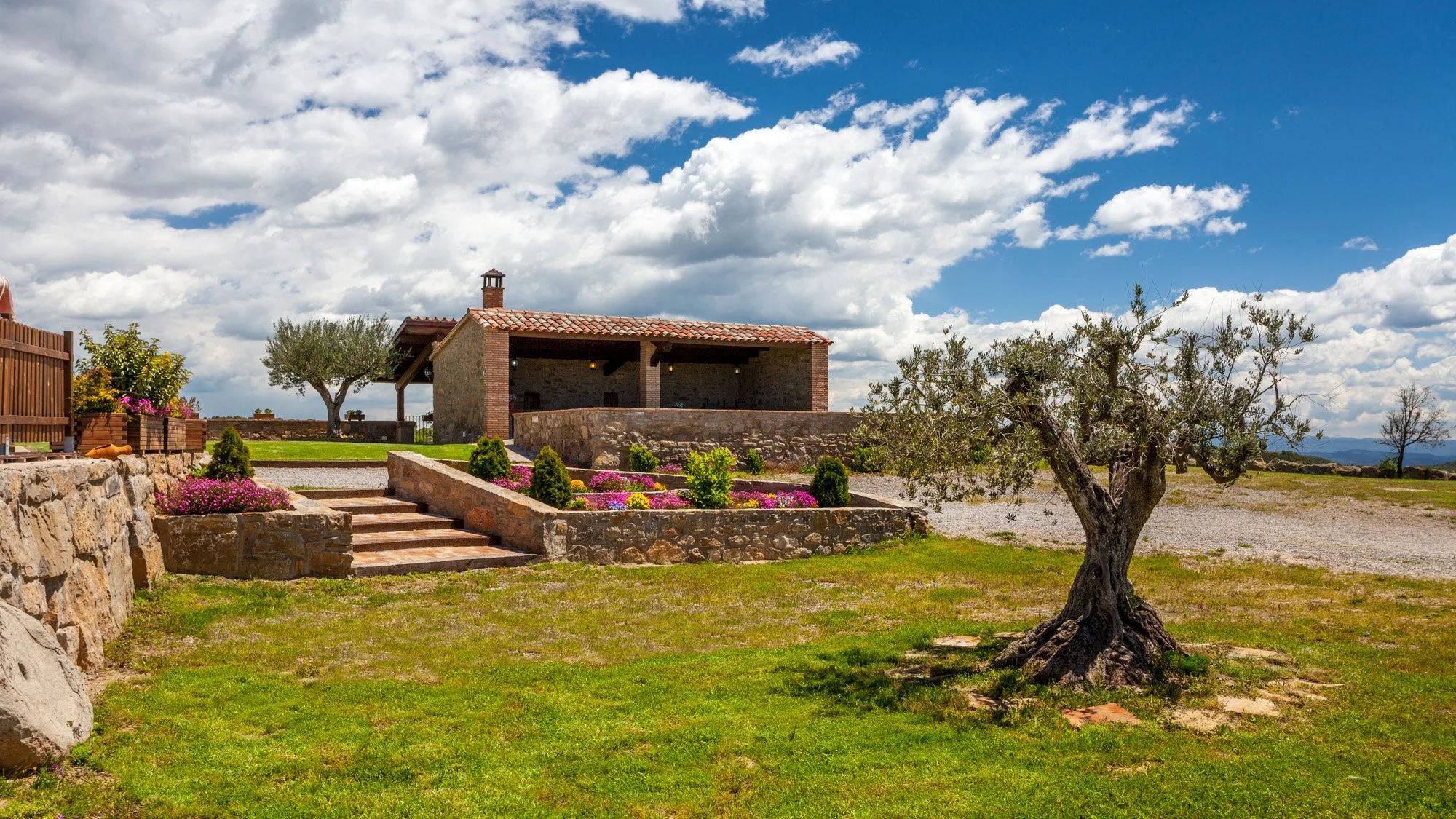
Una zona exterior versátil para comer y reunirse. Image Credits: La Tor de Montclar
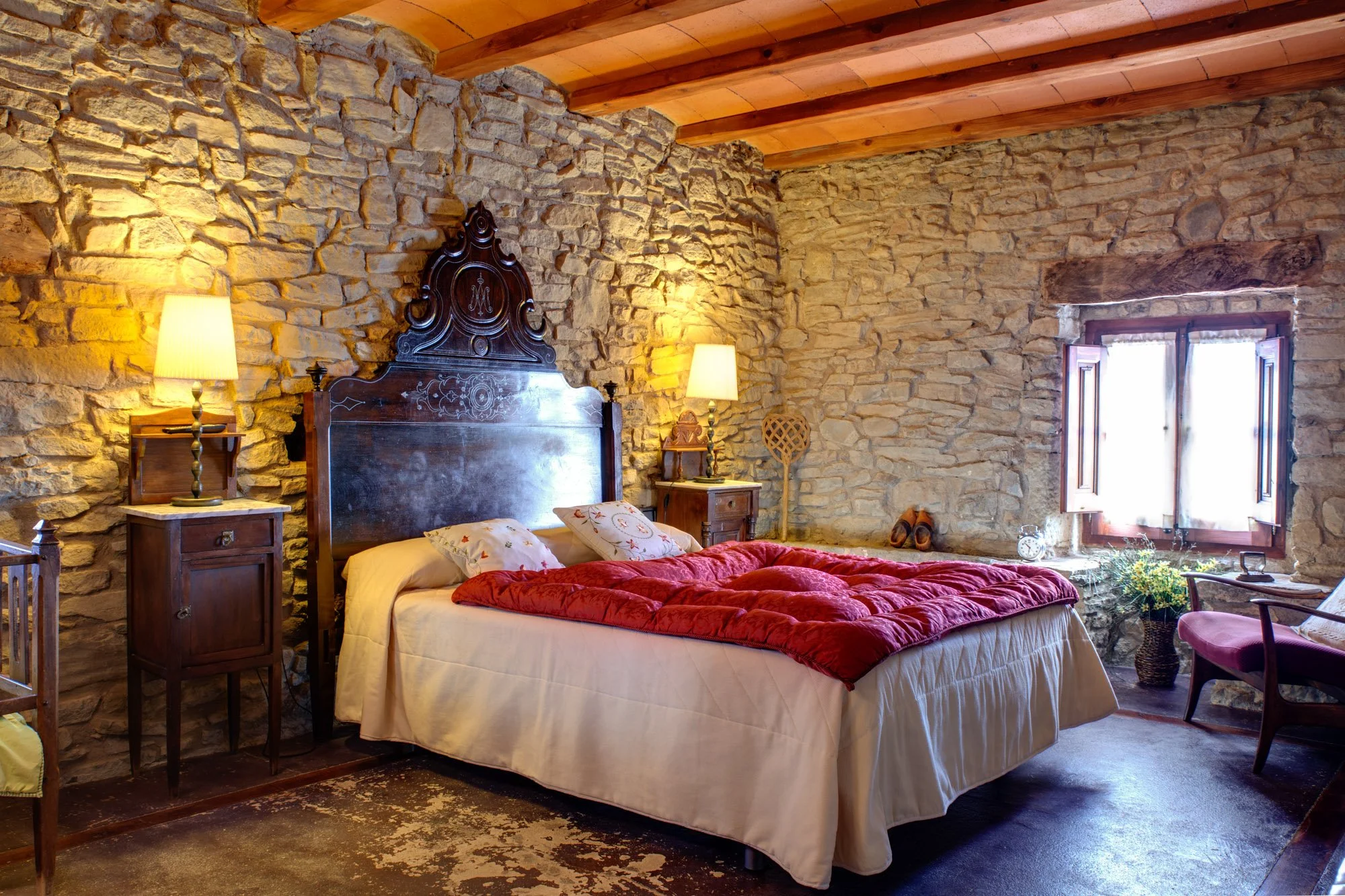
Dormitorio amplio con personalidad histórica. Image Credits: La Tor de Montclar
In Spain and across many Latin regions, travelers will also come across fincas, a term traditionally used to describe rural estates or farm properties. While the word itself translates more broadly to “estate” or “farm,” many fincas today operate as countryside accommodations and can also fall under the umbrella of agrotourism. These properties are often centered around large ranch style lifestyle, vineyards, or working horse stables, offering guests a strong connection to rural life and the perfect option for equestrian lovers.
THE CHARMING INNS: An Anglo-Saxon Stay Experience Not to Miss.
Moving away from rural stays, we step into the roots of Anglo Saxon hospitality with the traditional inns. These are generally small scale accommodations, often with no more than 50 rooms, designed to offer a more intimate and local experience. In the United States, a similar concept evolved into the well known B&B, or bed and breakfast.
In the United Kingdom, however, inns take on a very different character. Often featuring fewer than 10 rooms, many are uniquely located above traditional public houses, better known as pubs. Combining accommodation with a social gathering place at the heart of the village, these stays offer travelers an authentic glimpse into local life and culture. For many, they remain one of the best ways to experience the English countryside and its picturesque shires.
Pro Tip: Many of these historic pub accommodations have evolved into some of the finest gastropub lodges in the UK, making them one of the best ways to experience authentic British food culture alongside a traditional countryside stay.
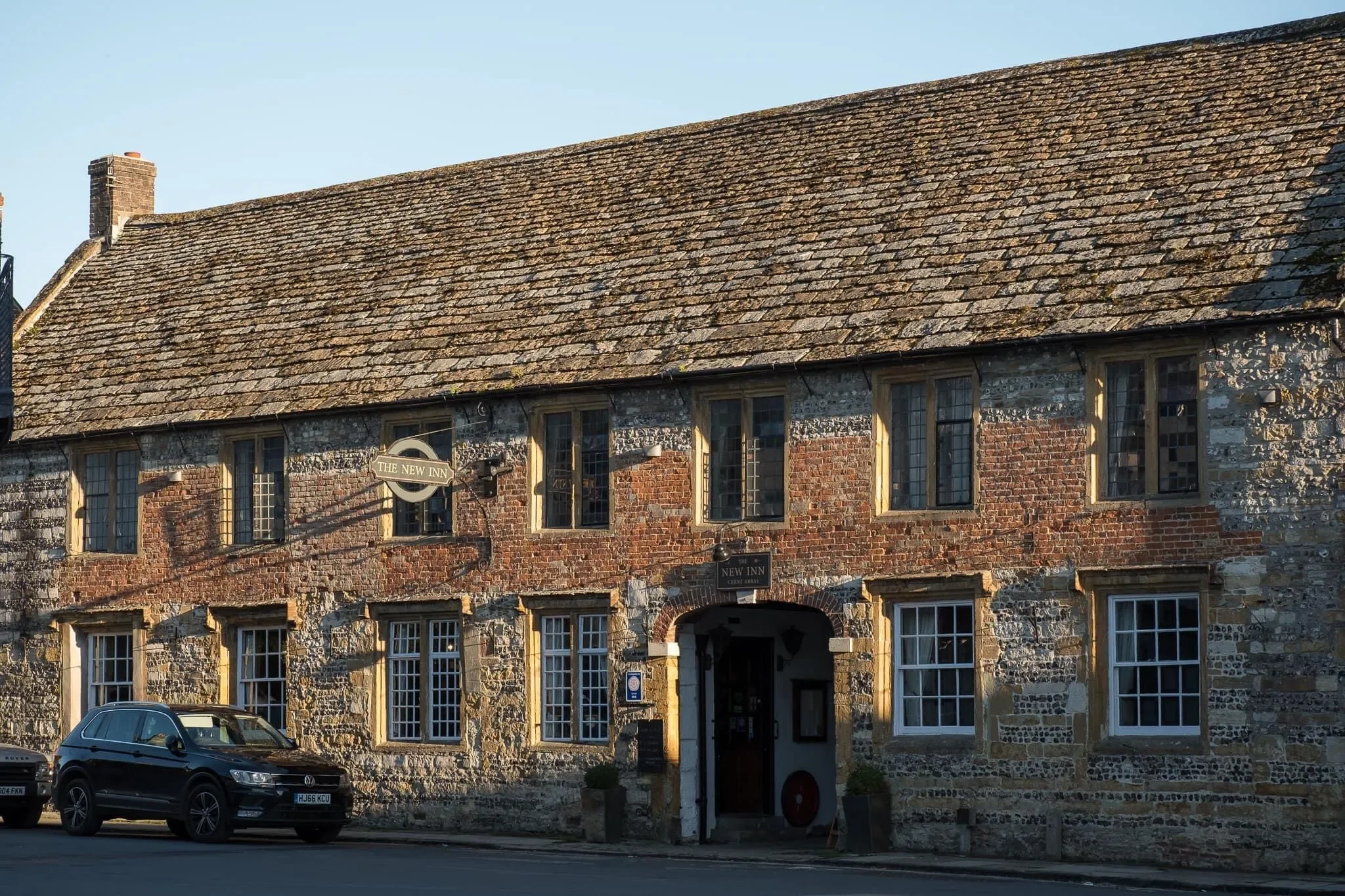
Image Credits: The New Inn, Cerne Abbas.
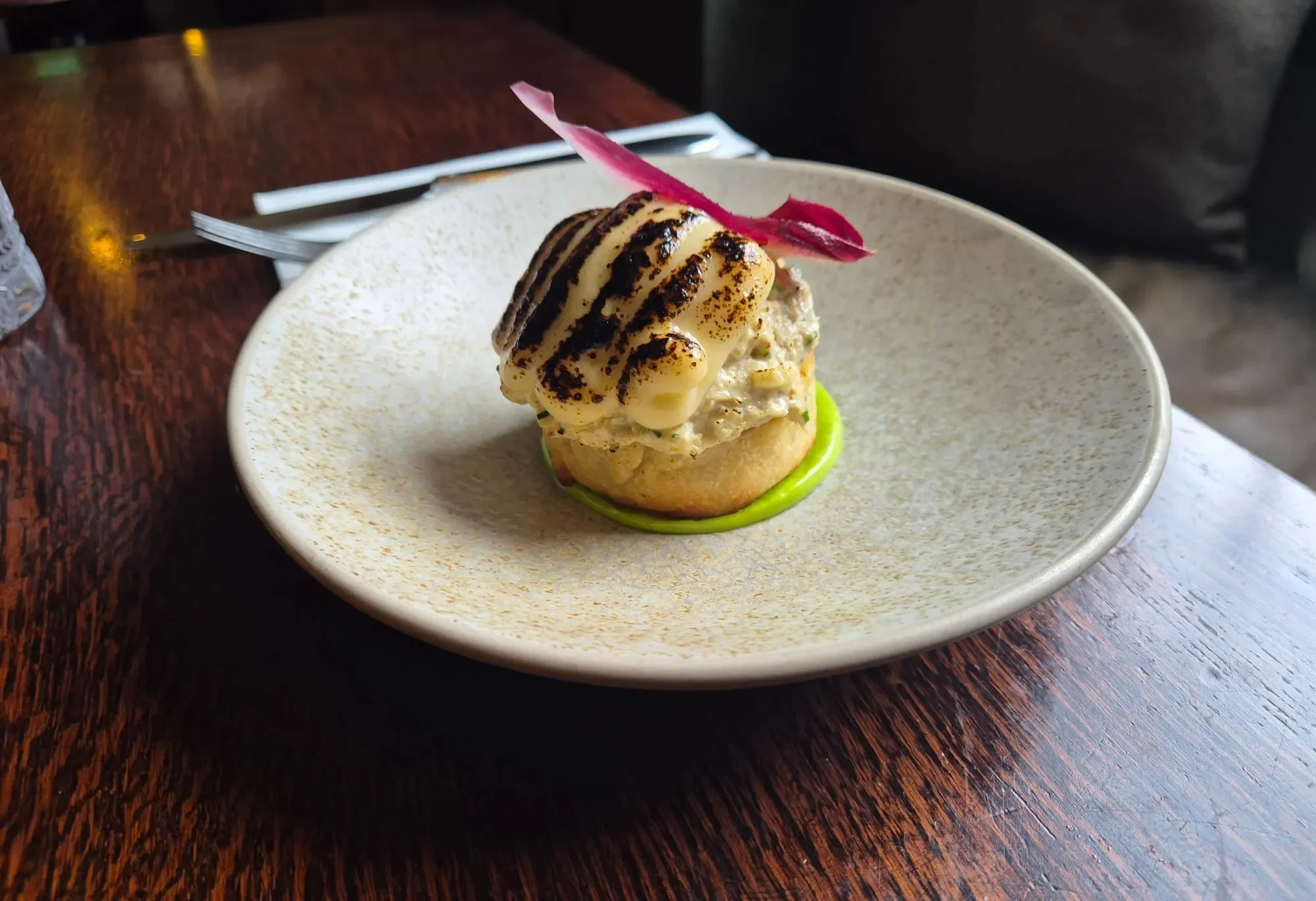
Image Credits: The New Inn, Cerne Abbas.
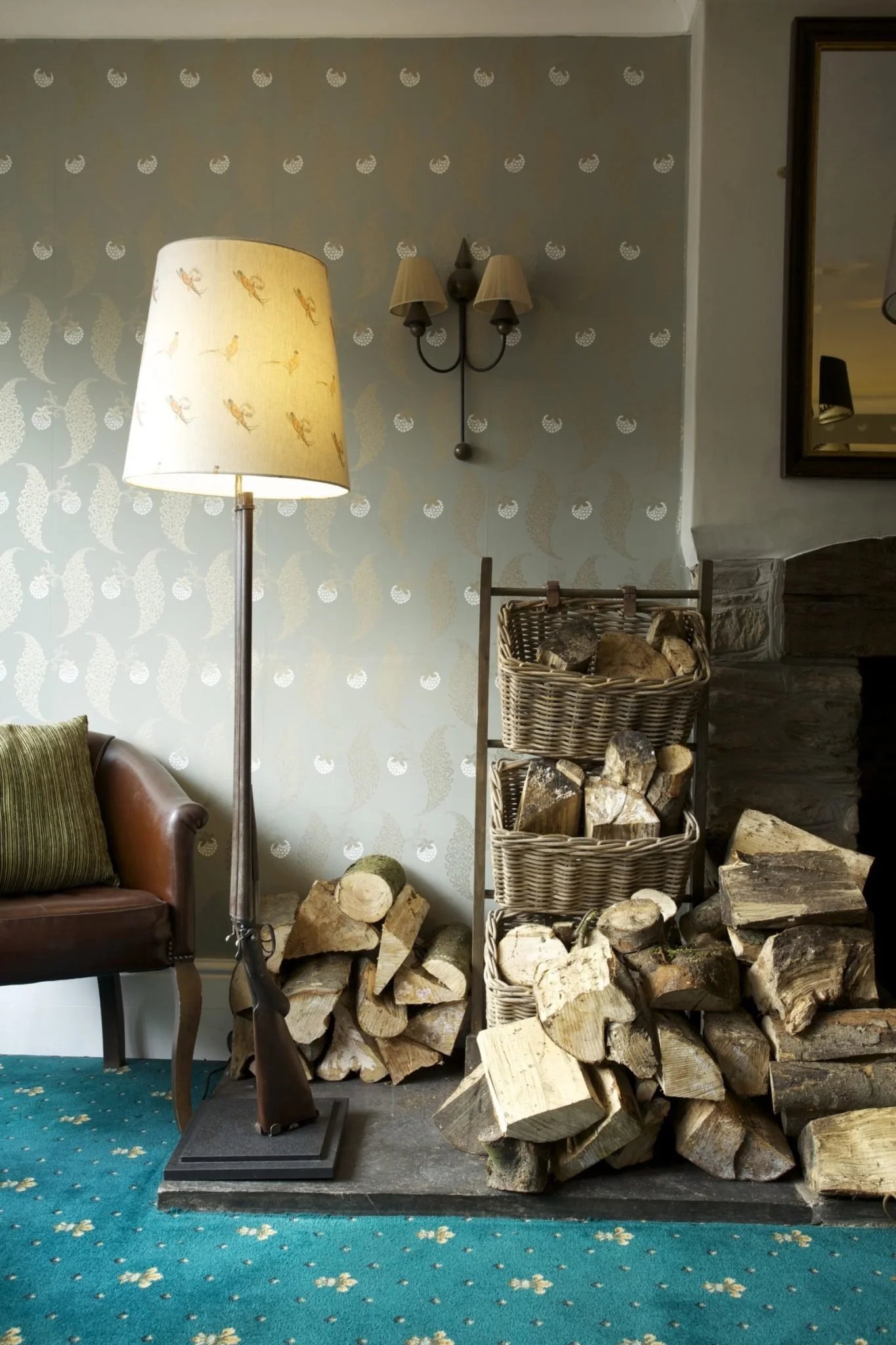
Image Credits: Exmoor Whitehorse.
ENOTOURISM: More and More Wineries Are Opening the Doors to Their Relais
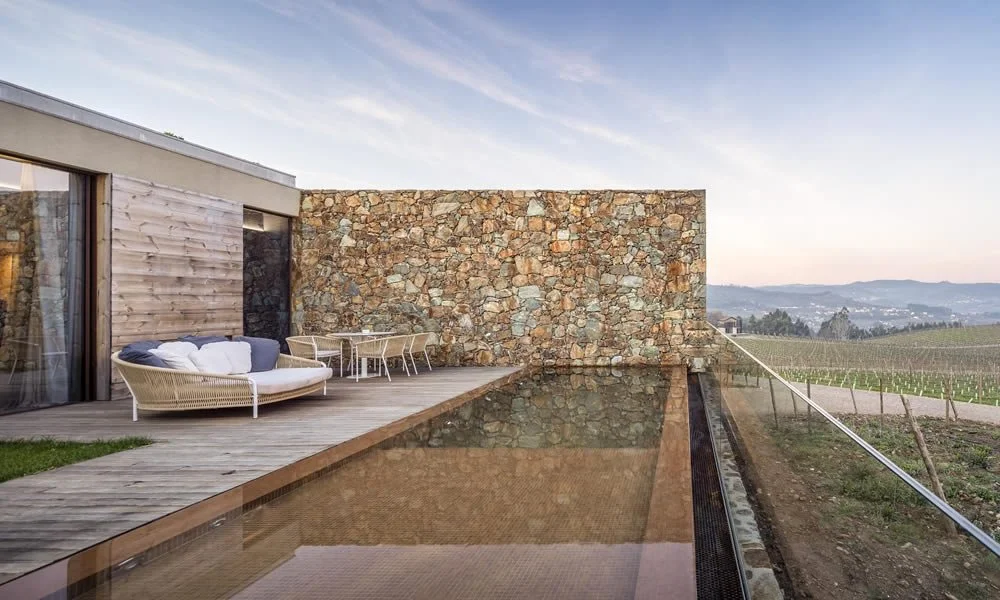
Image Credits: Monverde Wine Experience Hotel, Amarante - Portugal.
More and more wineries are opening their doors to guests through intimate hospitality concepts often known as relais. Unlike large hotel developments, these accommodations are usually designed to preserve the identity, architecture, and atmosphere of the estate itself rather than transforming or denaturing it. Most feature between 5 and 10 rooms, although some larger properties can reach up to 30.
These stays can be found anywhere wine is produced, from the Tuscan hills to Valpolicella and Piedmont, as well as Sicily and its islands. In France, they often take the form of elegant château estates throughout regions such as Bordeaux, extending further into Austria, South America, Napa Valley, New Zealand, and Australia.
Not only do these properties offer wine lovers a true escape immersed in vineyards and tasting experiences, but they also provide charming accommodations carefully designed to preserve the grandeur, history, and identity of the estate itself.
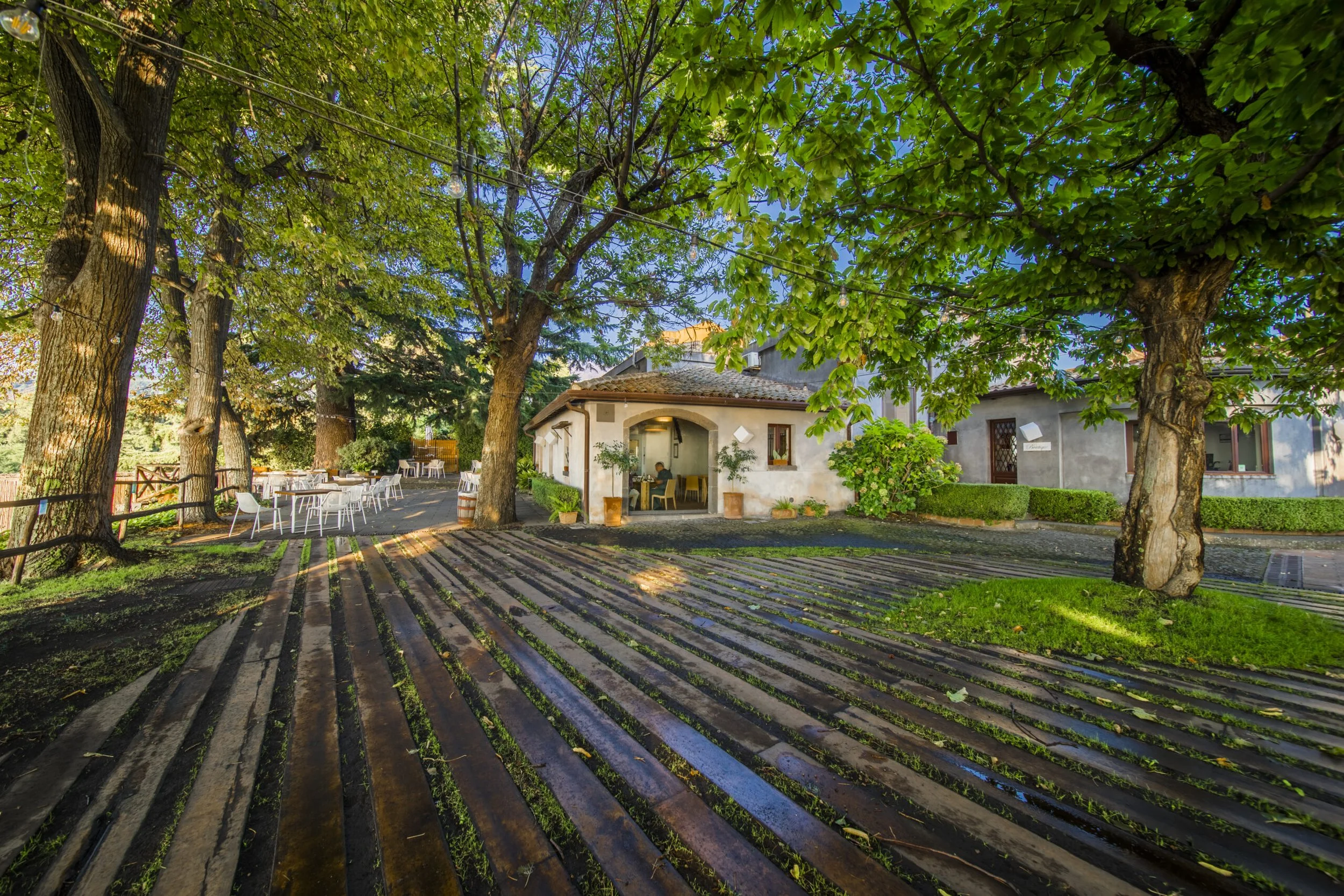
Image Credits: Barone di Villagrande winery
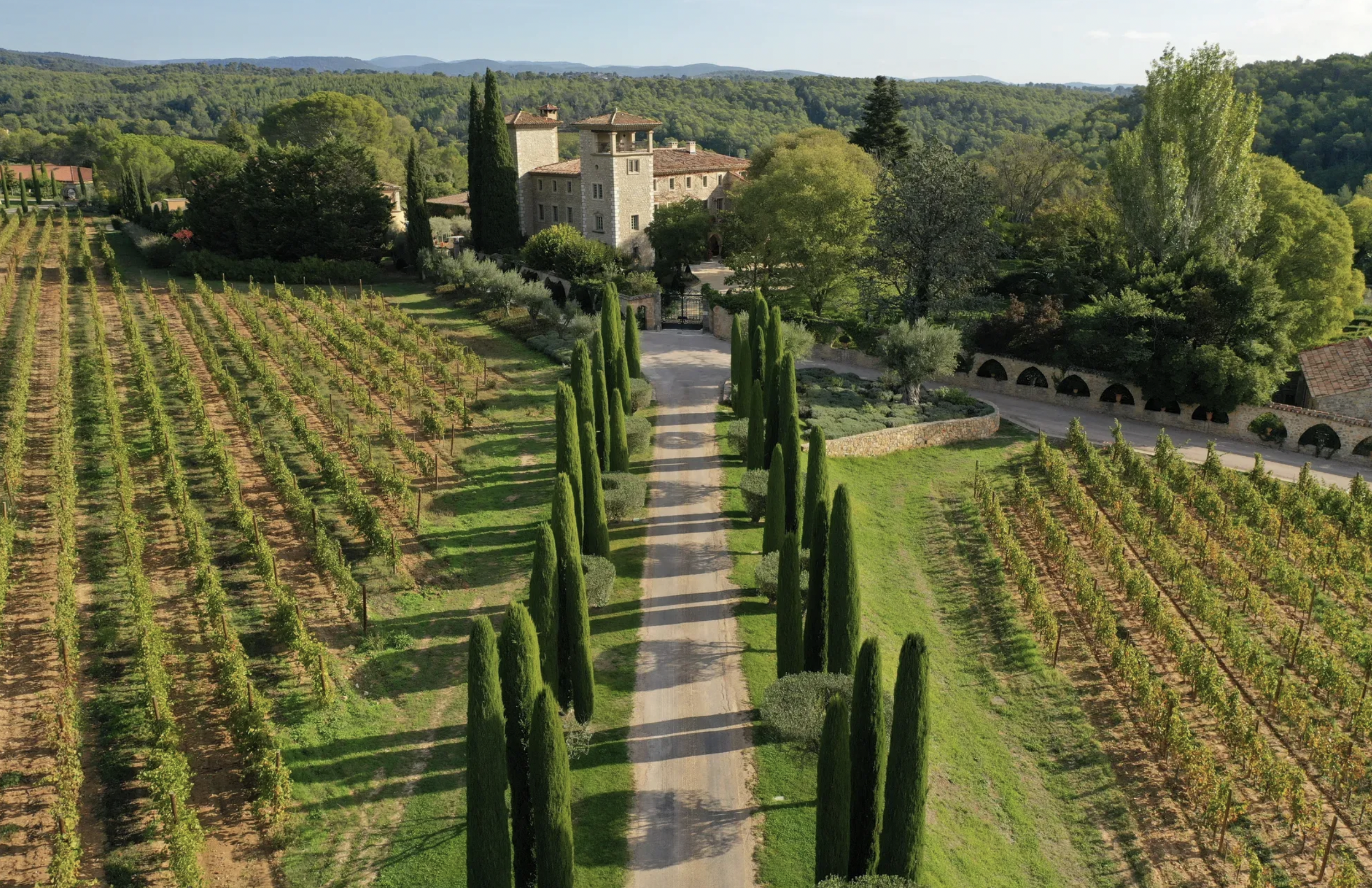
Image Credits: Relais & Chateau, Chateau de Berne Hotel Spa Cellars Provence
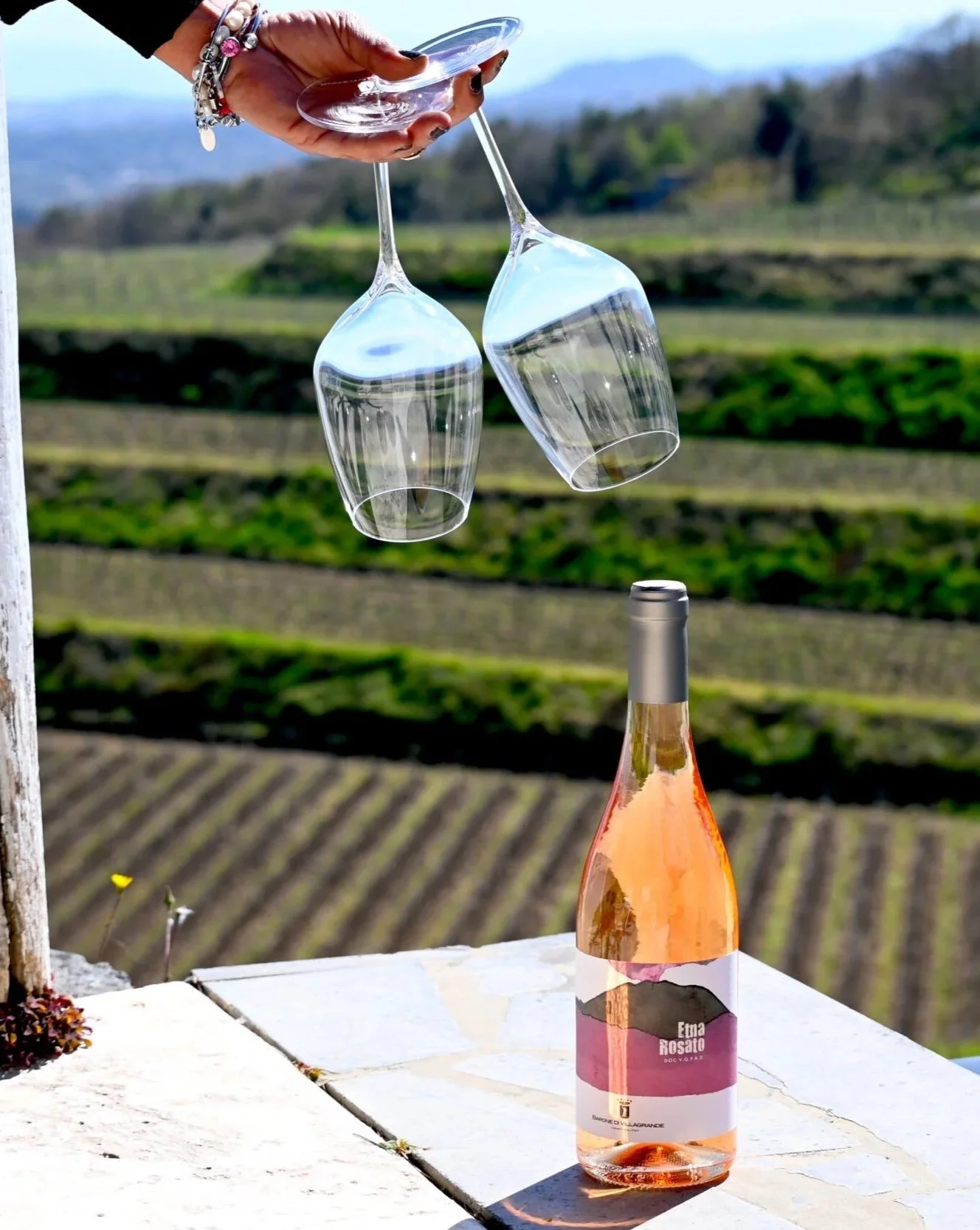
Image Credits: Barone di Villagrande winery
COUNTRY SPECIFIC ACCOMMODATIONS: Around The World Through The Homes Of Locals
France: Maison d’Hotes
One of the most characteristic forms of local accommodation in France is the maison d’hôtes. These stays are typically family run and are mainly found throughout the French countryside, villages, vineyards, and coastal towns.
What makes them particularly special is the intimate atmosphere they create, usually featuring only a handful of rooms alongside homemade breakfasts and direct interaction with the hosts. Often located inside historic homes or restored estates, they offer travelers one of the most authentic ways to experience French lifestyle and hospitality.
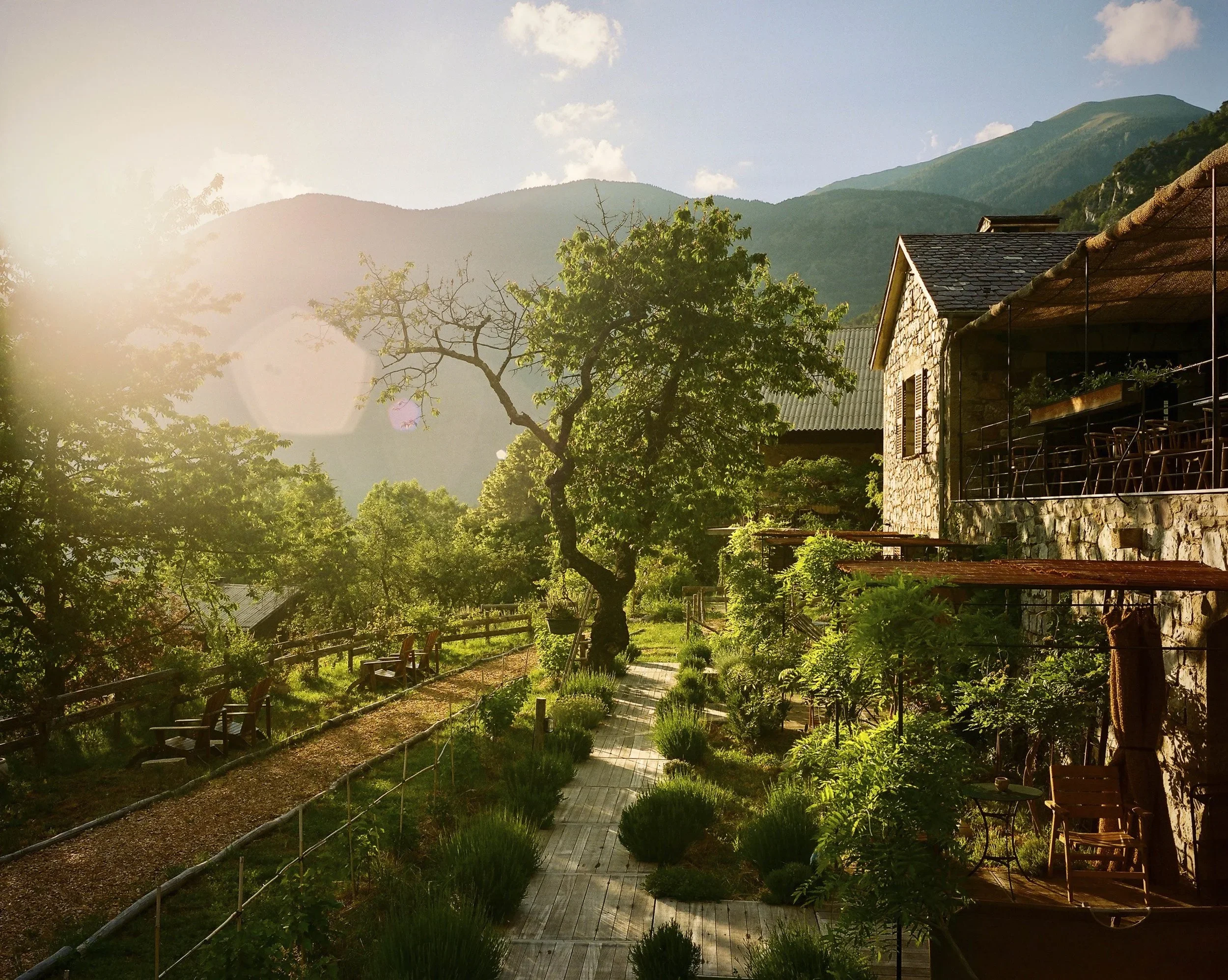
Image Credits: Emma Hardy, Auberge de la Roche (Valdeblore)
Brazil: Pousada
Pousadas refer to guesthouses. They are usually informal, relaxed, and beach or nature oriented, commonly found along the coast, in tropical destinations, or countryside areas. Rather than focusing on historic architecture, Brazilian pousadas are known for their intimate atmosphere.
Not to be mistaken with the Brazilian pousadas, the Portuguese pousadas traditionally refer to historic buildings such as monasteries, castles, palaces, and convents, combining heritage hospitality with a strong sense of place and history.
A NEW GENERATION OF CAMPING: Glamping, Camp Resorts, and More.
Holiday Villages, in France known as villages vacances, are a modern evolution of camping and outdoor hospitality, often described as “comfort camping.” Particularly popular among families and groups traveling together, these accommodations are especially common across Mediterranean destinations.
Highly appreciated by French, German, and Dutch travelers, holiday villages combine the relaxed atmosphere of camping with the comfort of resort style amenities. Guests will often find private bungalows, mobile homes, pools, entertainment areas, restaurants, and sports facilities all within the same property, making them an ideal option for longer summer stays and family holidays.
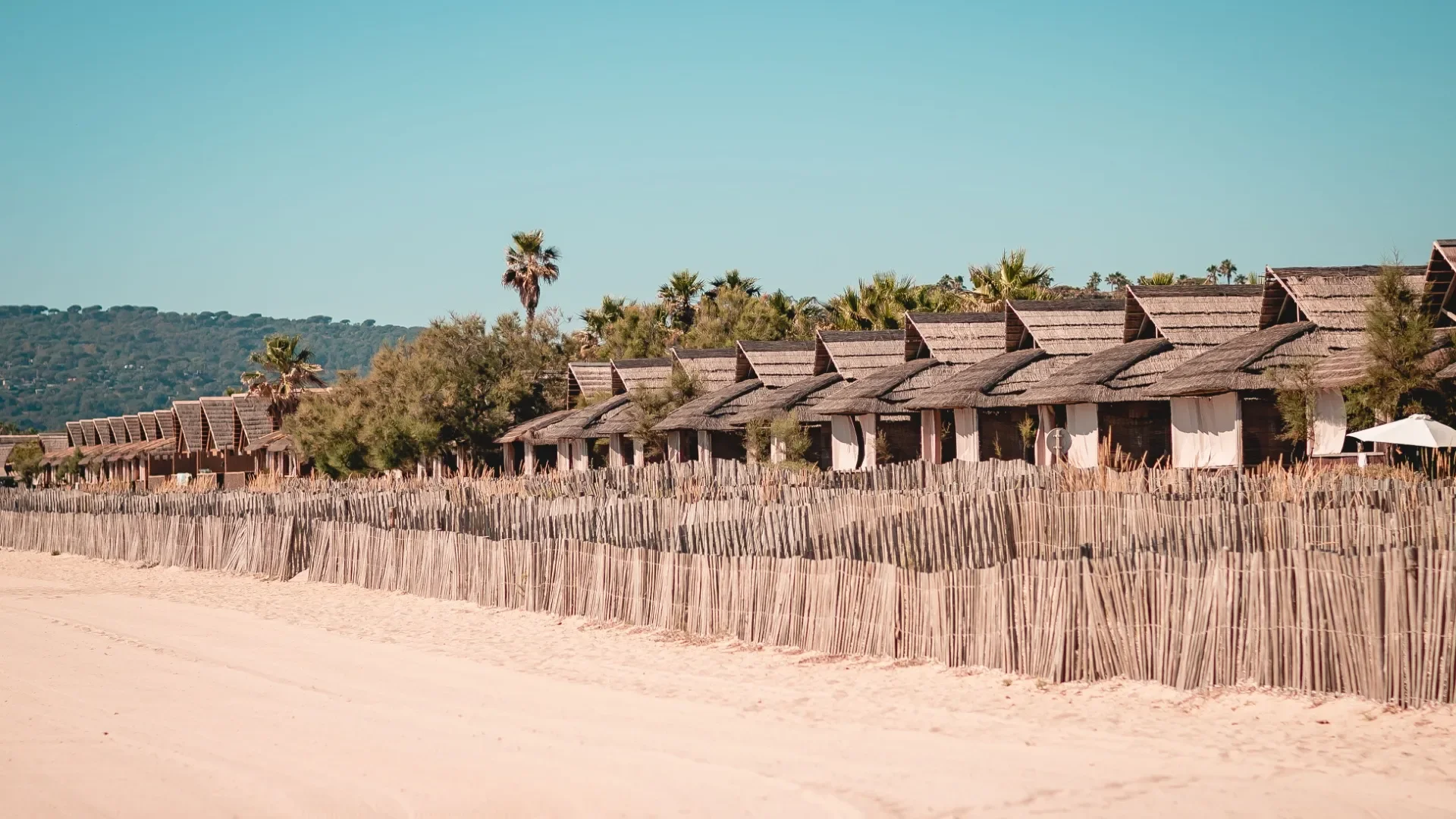
Image Credits: Kon Tiki - Pampelonne Beach - Saint Tropez
From the deserts of the United States to the countryside of Italy, glamping is becoming a true travel trend, bringing back the charm of original tent style structures. These accommodations combine the authenticity of traditional camping with refined comfort, offering immersive experiences in nature without sacrificing luxury.
The word “glamping” itself comes from the combination of “glamorous” and “camping,” describing accommodations that offer the immersion of nature while maintaining the comfort and services of a luxury hotel.
Glamping has become an entire design movement. Resorts blend open air living with sustainable architecture. At the same time, colder destinations have reinvented this through glass domes and igloo concepts designed for snow landscapes and Northern Lights experiences.
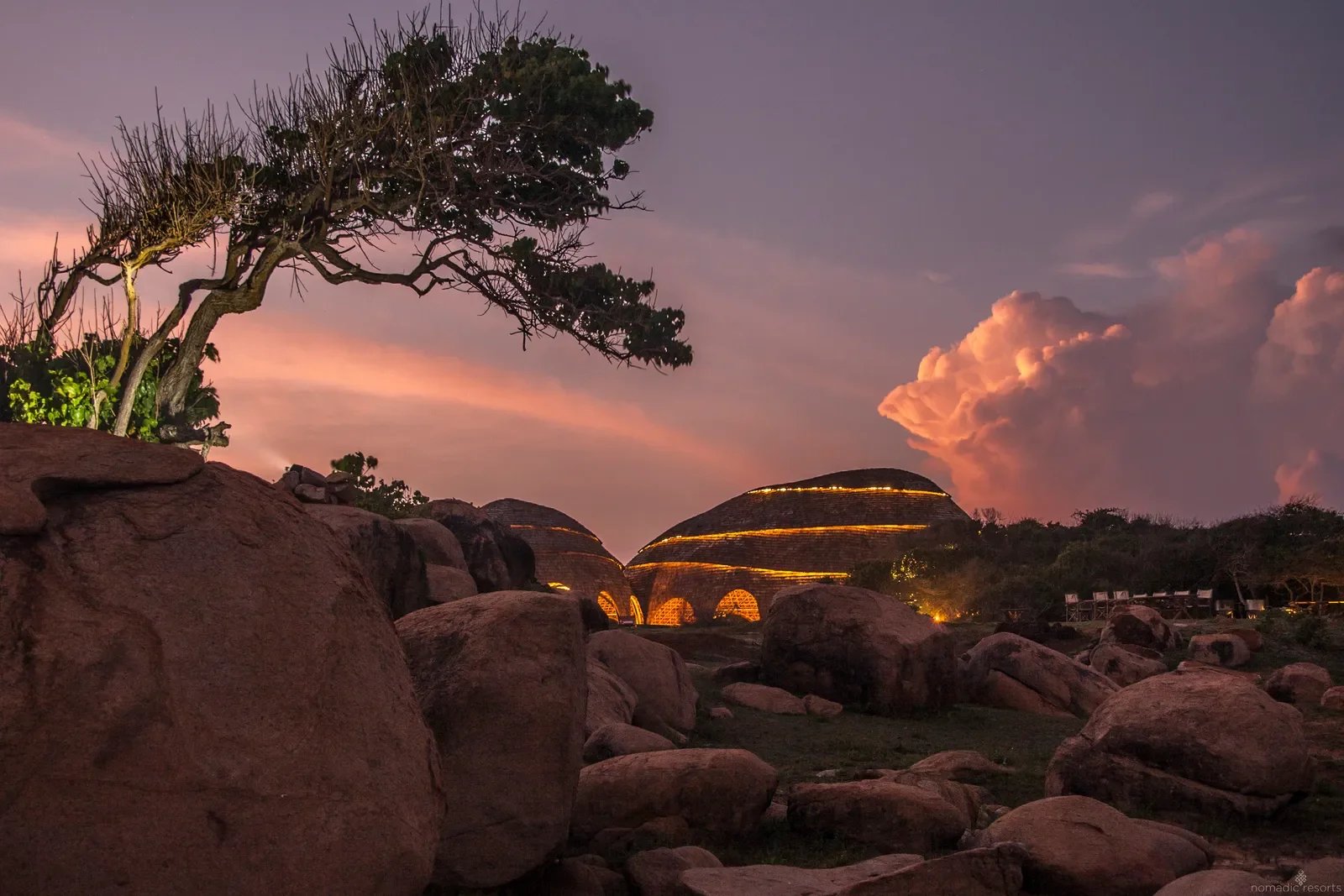
Image Credits: Nomadic Resorts
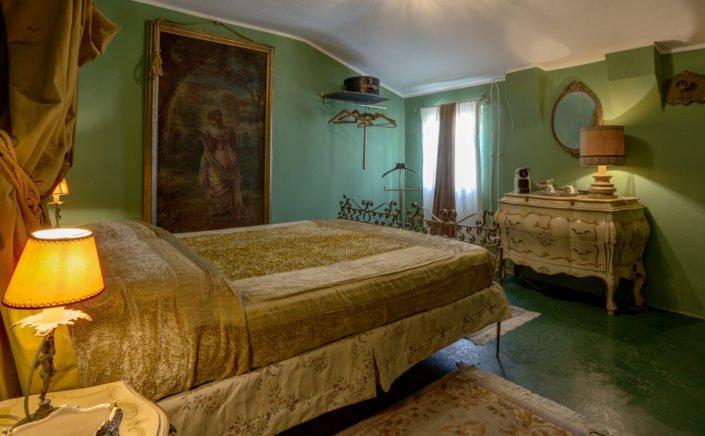
Image Credits: Canonici di San Marco
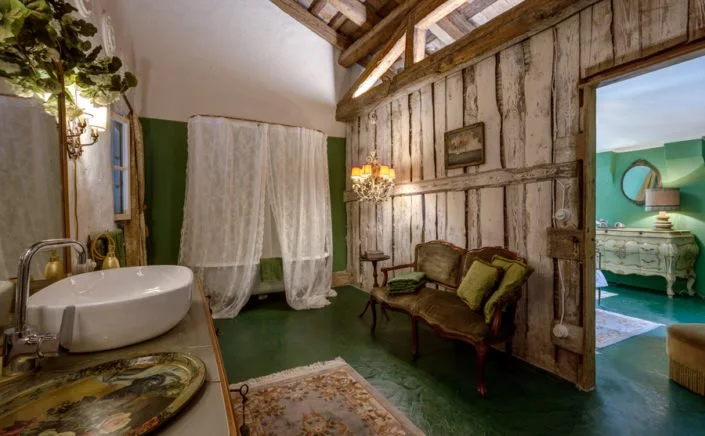
Image Credits: Canonici di San Marco